
Edibles
Manuka
Leptospermum scoparium
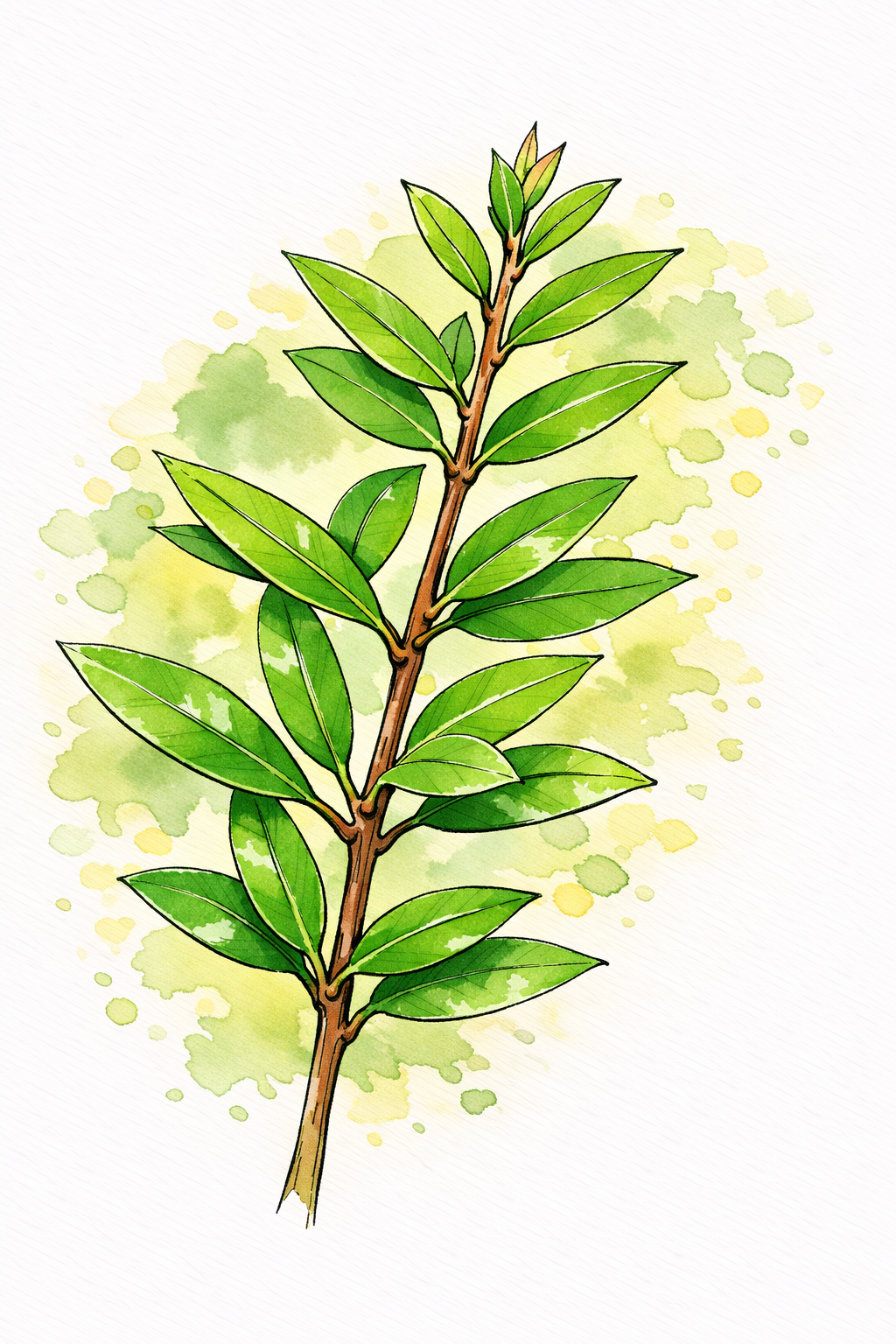
We all know about the special properties of manuka honey, its oil is renowned for its anti-bacterial and anti-fungal properties, and use as a tea (don’t steep it too long as it is bitter). It seems strange that not long ago, this remarkable ‘plant of a thousand uses’ (as described by Rob Tipa) was reviled as a weed. Farmers spread ‘manuka blight’ – a sooty fungus to slow its spread. Manuka is the saviour of people trying to recloak New Zealand – fast-growing on exposed, bony, eroded and even swampy land, relatively non-palatable to stock with precocious seeding. On poorly-drained areas, it develops special tissues to supply air to its roots, unlike kanuka. Its root exudates are also special – they help reduce faecal bacteria in farm runoff, improving surface waters.
Manuka hosts the manuka chafer – also known as the Christmas or jewel beetle, a gorgeous, shiny, metallic green to pink or blue scarab beetle about 1 cm long. Pyronota festiva - Wikipedia. Larvae eat the roots (and pasture roots), and adults eat the leaves. Manuka also hosts the manuka honeydew scale insect that is a crucial source of sugar for some birds and lizards
New Zealand Garden Journal (Journal of the RNZIH): December 2008, Vol. 11, No. 2, P. 4-8